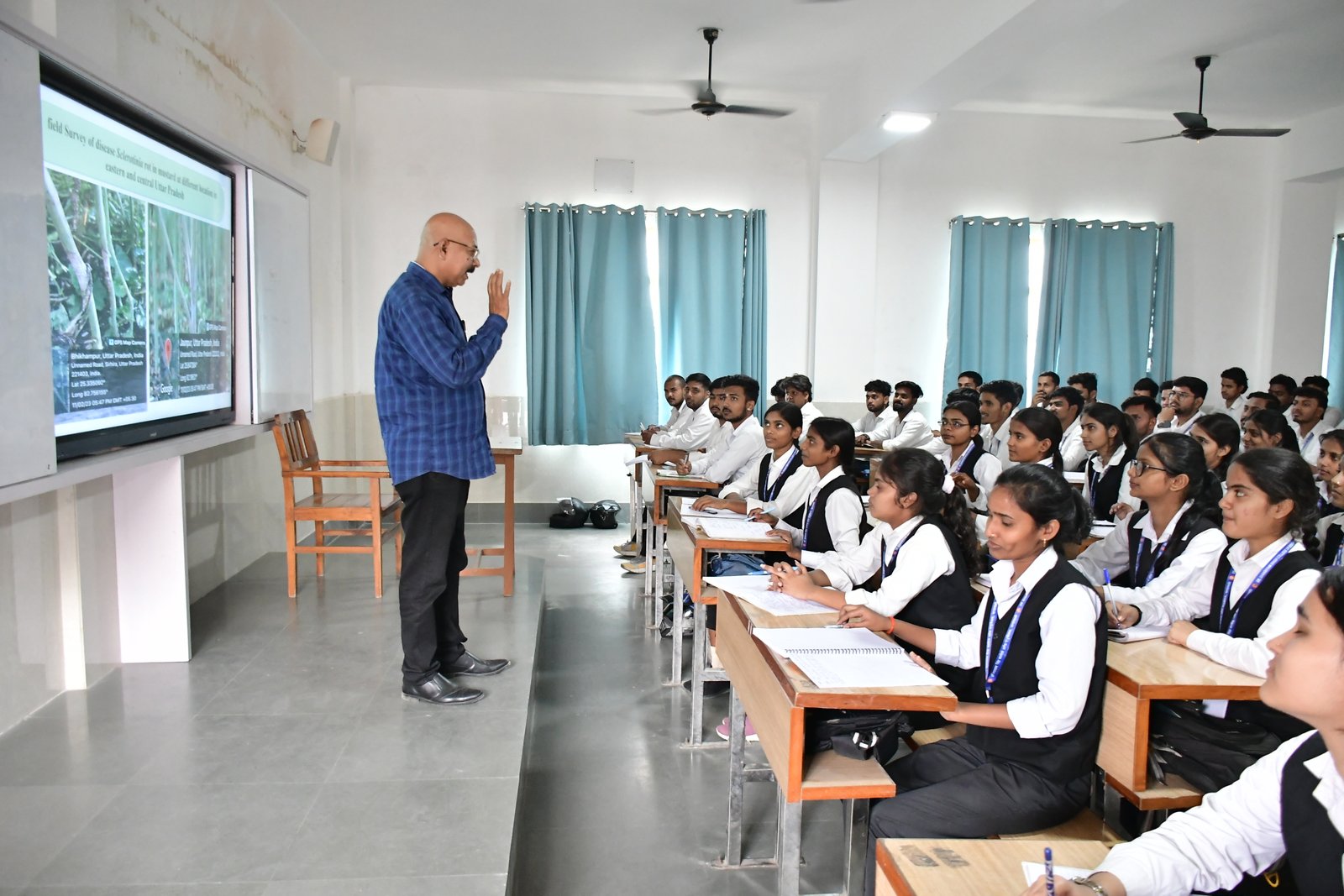
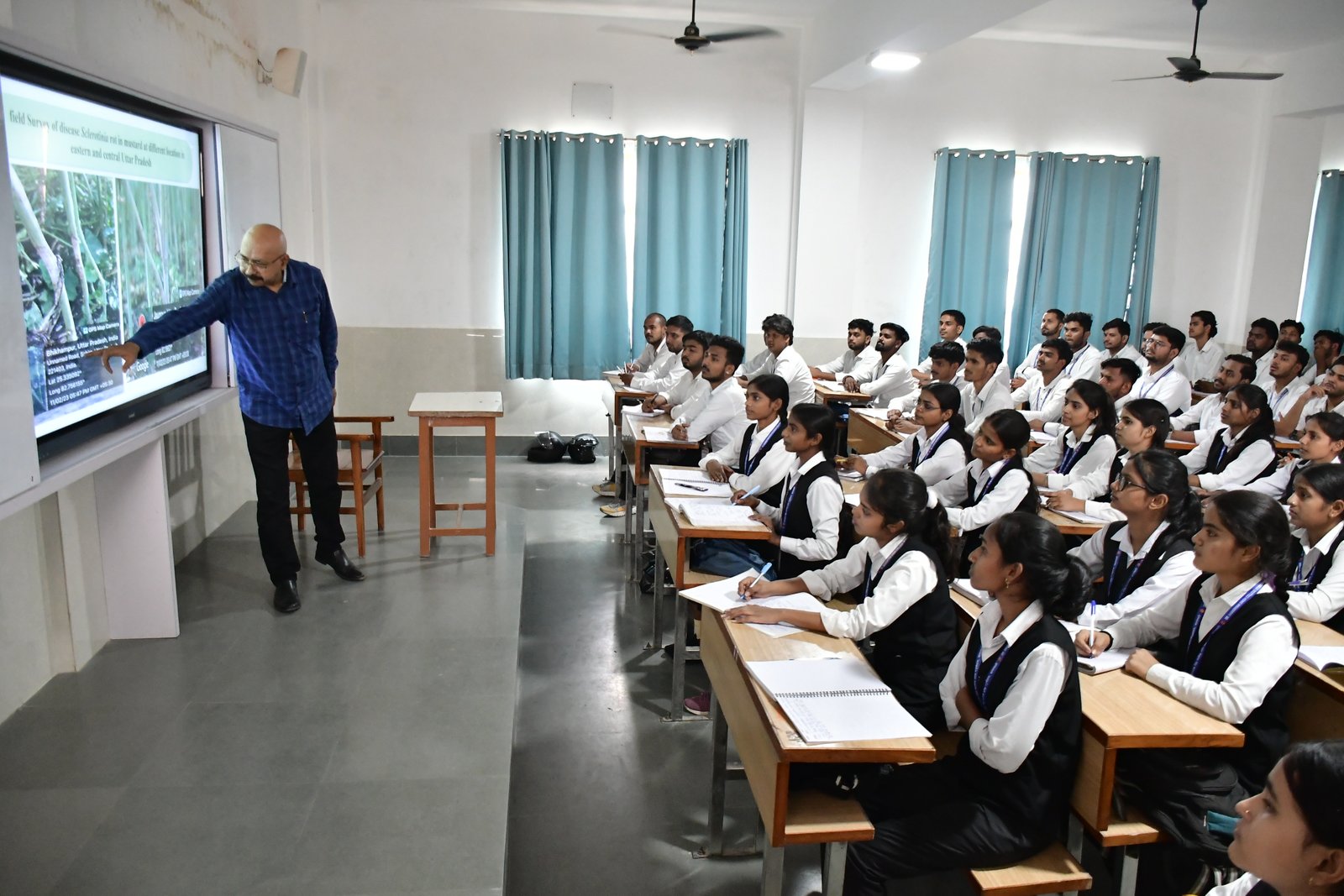
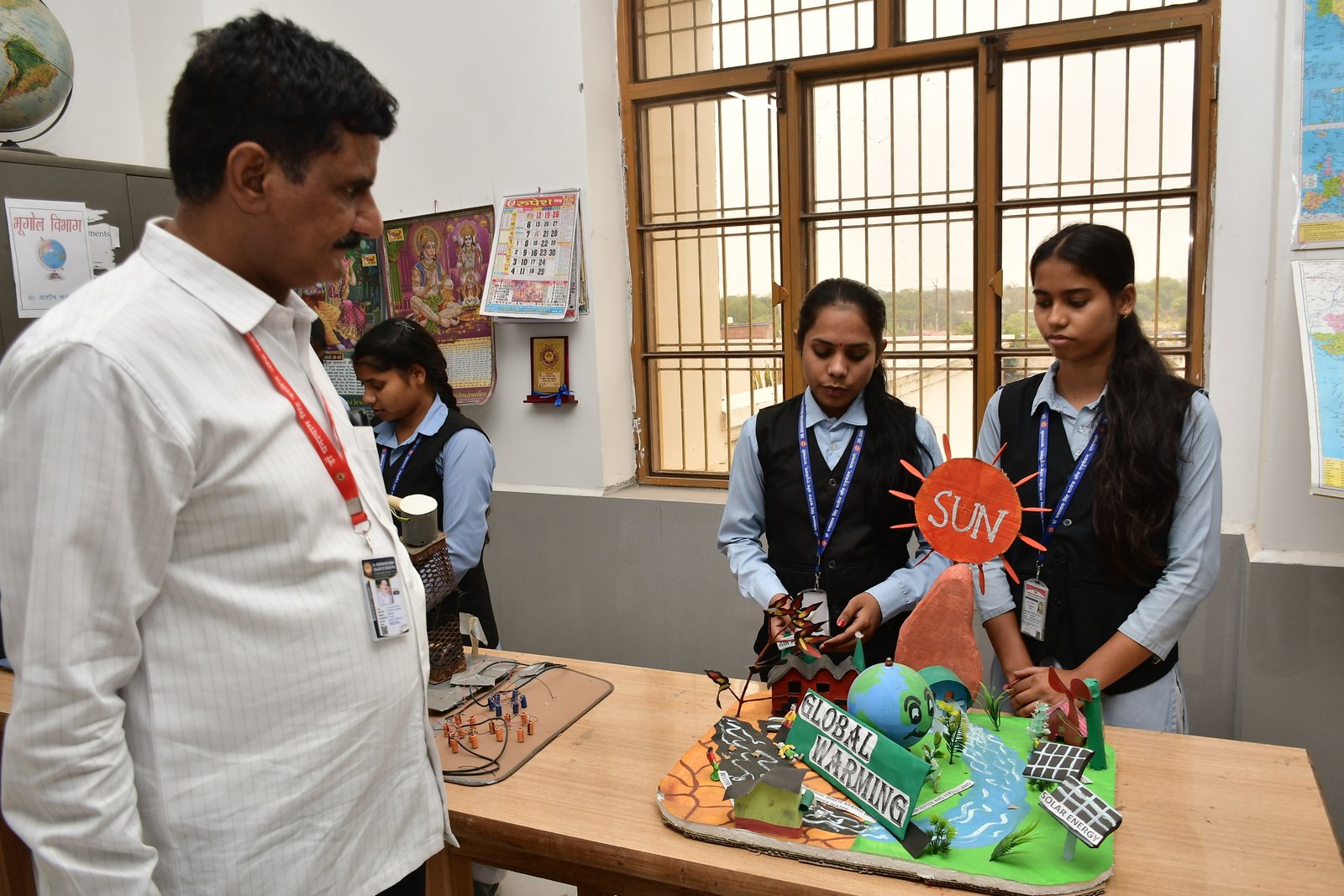
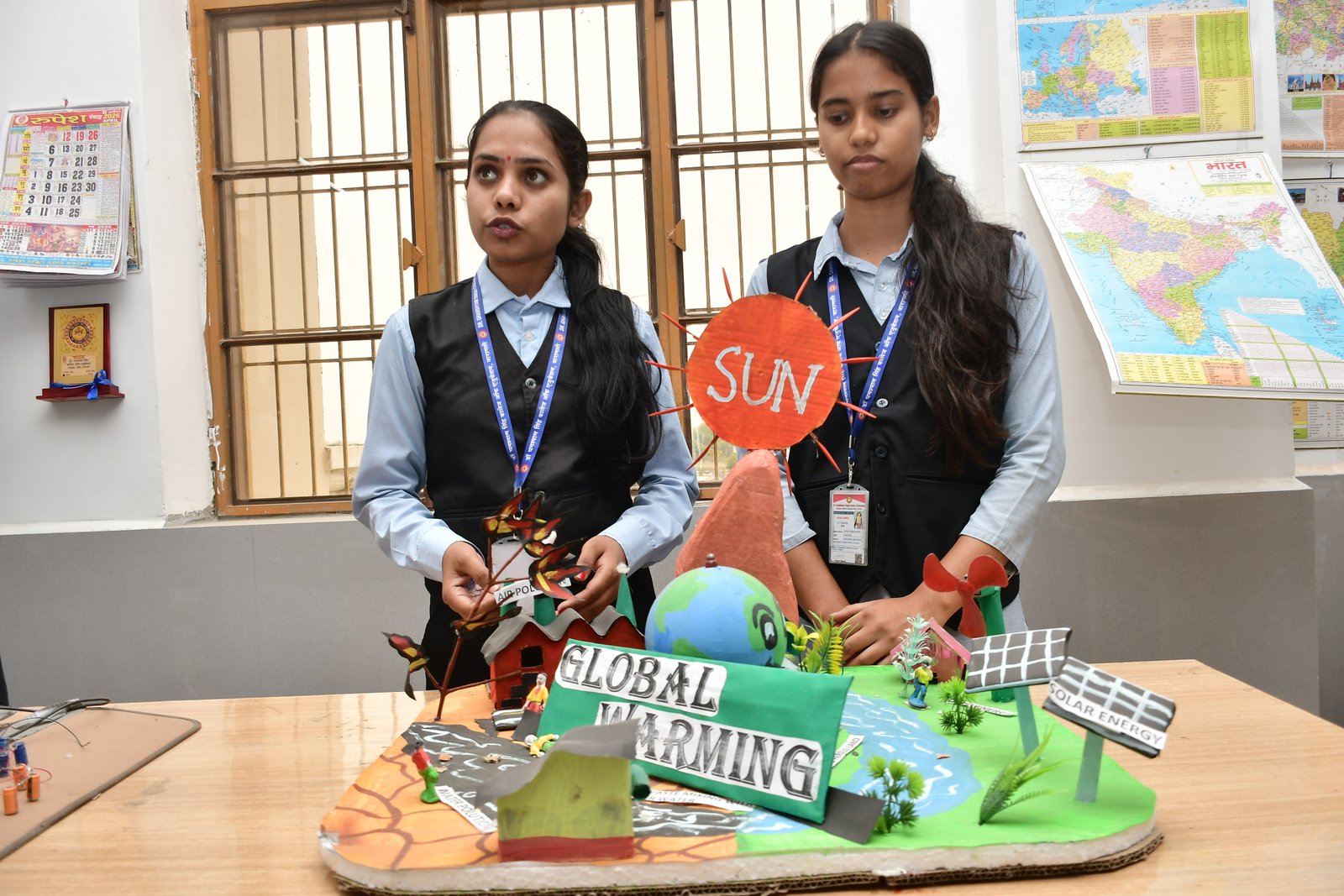
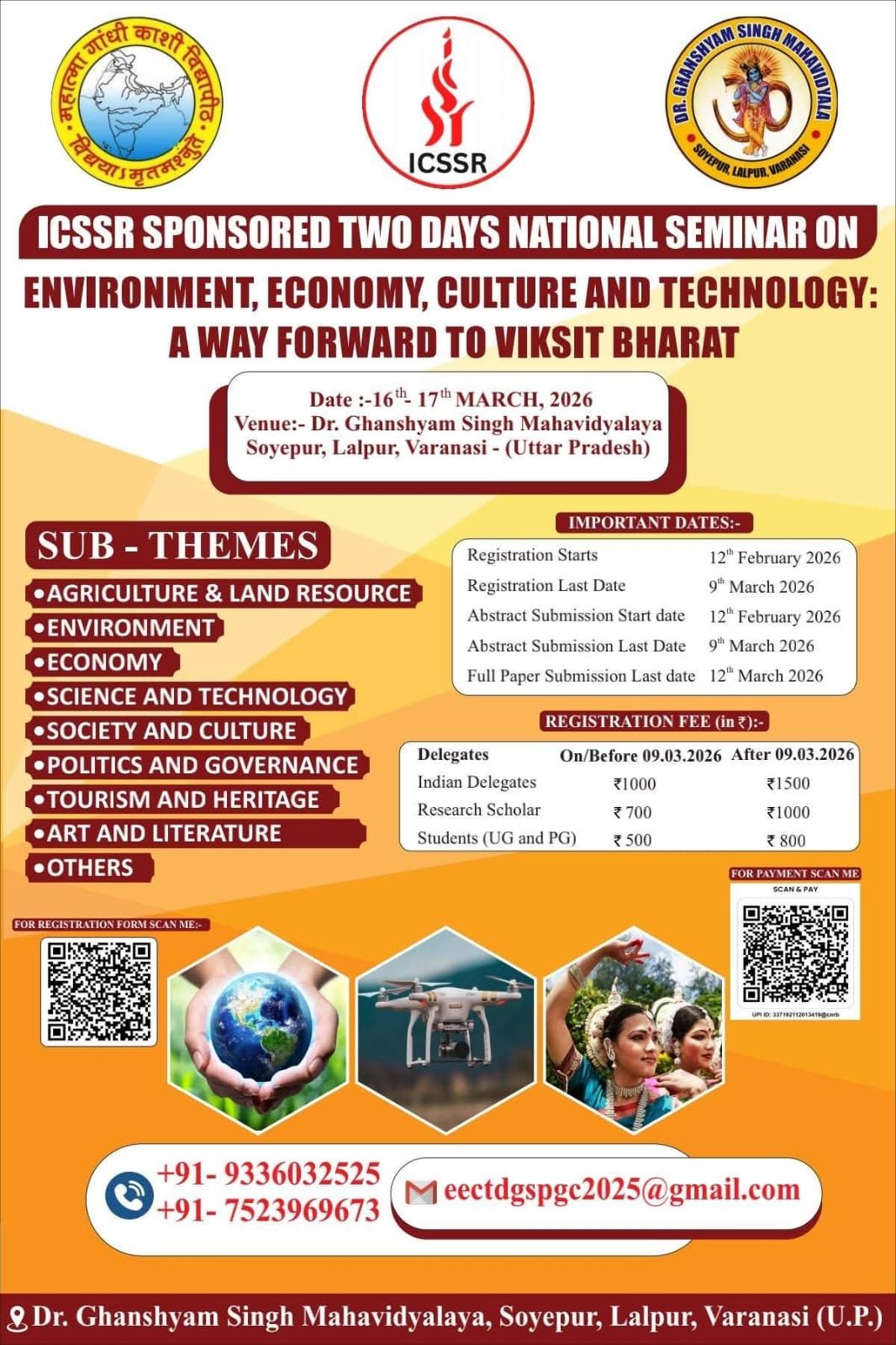
About the Seminar: Sustainable Development is a multifaceted and plural concept. It combines holistic perspectives and efforts for economic growth, human well-being, equity, inclusiveness, freedom and justice. Concept of sustainable development was widely accepted across the globe in 1987 after its appearance in The Brundtland Report referred as "Our Common Future. This report was the result of UN commission set up with a purpose to initialize the concept and practice of global agenda for change. In simple terms 'sustainable development refers to wise development strategies which meets the needs of present generation without any compromise for its availability to the future generations. Millions of people have faced the vagaries of global climate change, widespread ecological disasters, and economic hardship. Rural development challenges, urban crises, dwindling agricultural growth, universal health, education, and diverse socio-economic and regional disparities. The concept of Viksit Bharat is a grand initiative specially aimed at realizing India's pure aspiration of becoming a developed nation by its 100th year of independence. As India approaches its centennial year of independence in 2047 A.D, this initiative seeks to rejuvenate efforts across economic, social, environmental, and governance domains to achieve comprehensive and sustainable development.
This conference recognizes the distinct developmental trajectories of Environmental, Economic, Social, Cultural and Technical, while emphasizing the imperative of integrated strategies among these five domains. Urban centres, like Varanasi which are often perceived as economic growth engines, also struggling with challenges of rapid urbanization, infrastructural deficits, industrial pollution, and environmental degradation. Society, environment and economy are the three pillars on which sustainable development thrives.
Objectives of the Seminar
1. To analyze the concept of Sustainable Development and Environment Conservation in alignment with the vision of Viksit Bharat @2047.
2. To examine the inter-relationship between environment, economy, culture, and technology in India's development process towards a developed nation.
3. To discuss contemporary environmental, economic, psychological, and socio-cultural challenges in the national context.
4. To highlight the role of science and technology in innovating and promoting an inclusive and sustainable growth of Viksit Bharat.
5. To promote multi-disciplinary research and academic collaboration among higher education institutions across nations.
6. To generate policy-oriented insights and best practices supporting sustainable and inclusive development of Viksit Bharat.